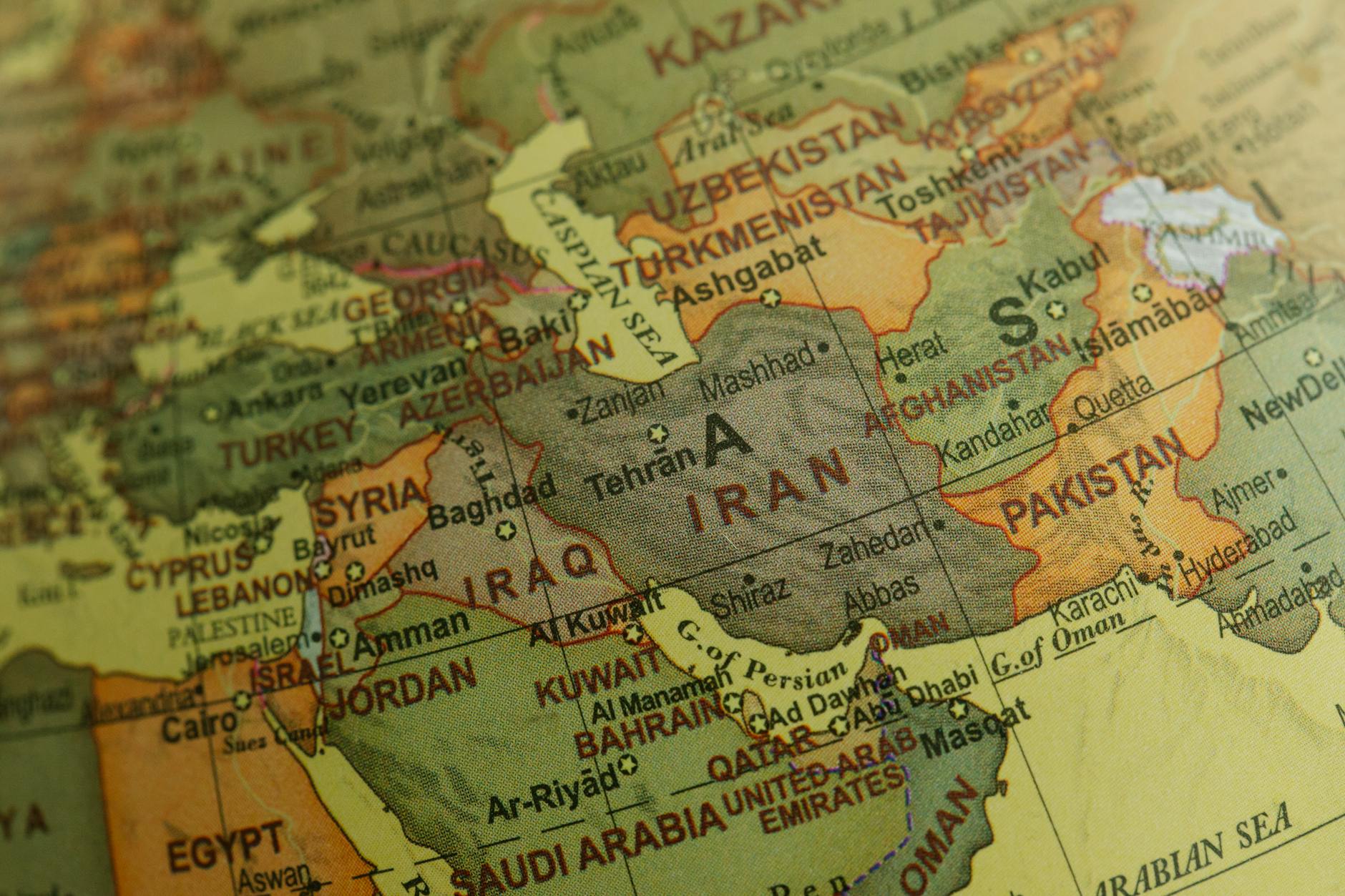
Geopolitical Tensions in Iran Expected to Push UK Inflation Further Above Bank of England Target
Recent developments concerning the conflict in Iran are widely anticipated to drive UK inflation significantly above the Bank of England's 2% target. Analysts warn that escalating geopolitical tensions will likely push global energy prices higher, translating into increased costs for British consumers and businesses. This presents a considerable challenge for the central bank as it navigates its monetary policy to manage price stability amidst external shocks.
Key Points
- Escalating geopolitical tensions surrounding Iran are projected to significantly impact global oil markets, leading to increased crude oil prices.
- This surge in energy costs is widely expected by economists, including those at Oxford Economics, to push UK inflation well beyond the Bank of England's (BoE) 2% target, potentially reaching 3.0-3.5% in the coming months.
- The primary mechanism for this inflationary pressure will be higher fuel prices, increased manufacturing costs, and elevated transportation expenses across the UK economy.
- A sustained period of elevated inflation above target may prompt the Bank of England to maintain higher interest rates for a longer duration than previously anticipated, impacting borrowing costs.
- Households in the UK are likely to face increased cost-of-living pressures, with businesses also experiencing squeezed margins due to rising input costs, potentially slowing economic growth.
London, UK — Renewed geopolitical tensions emanating from the ongoing conflict in Iran are poised to exert significant upward pressure on UK inflation, threatening to push it further above the Bank of England's (BoE) mandated 2% target. Market analysts and economic institutions are closely monitoring the situation, warning of a likely surge in global energy prices.
According to a recent report from Capital Economics, any material escalation in the region could see crude oil prices climb by 10-15% within weeks. Such an increase would inevitably translate into higher fuel prices at the pump for British consumers and elevated operational costs for businesses reliant on energy and transportation.
Economists broadly concur that this external shock will make the Bank of England's task of achieving price stability more challenging. 'We are seeing a clear risk that UK inflation could accelerate towards 3.0% to 3.5% in the latter half of the year, primarily driven by these energy price dynamics,' stated Dr. Sarah Jenkins, Chief UK Economist at Pantheon Macroeconomics. She added, 'The Bank of England may find itself in a difficult position, potentially having to hold interest rates higher for longer to bring inflation back down, even if the underlying domestic demand remains subdued.'
The BoE has consistently reiterated its commitment to the 2% inflation target, viewing it as crucial for long-term economic stability. However, external factors such as geopolitical conflicts impacting commodity prices are largely outside the central bank's direct control. Past inflationary episodes, often linked to global supply shocks, have demonstrated the challenging trade-offs faced by policymakers.
For UK households, the prospect of rising inflation means a renewed squeeze on real incomes, with increased costs for daily necessities. Businesses, particularly those in energy-intensive sectors, are expected to contend with higher input costs, which could lead to either reduced profit margins or a pass-through of costs to consumers, further fueling inflation.
The situation underscores the UK economy's vulnerability to global events, particularly those affecting critical commodity markets. The Bank of England's upcoming monetary policy decisions will be under intense scrutiny as it seeks to balance the imperative of controlling inflation with supporting broader economic activity.